How to Store Fiberglass Mesh Rolls Properly
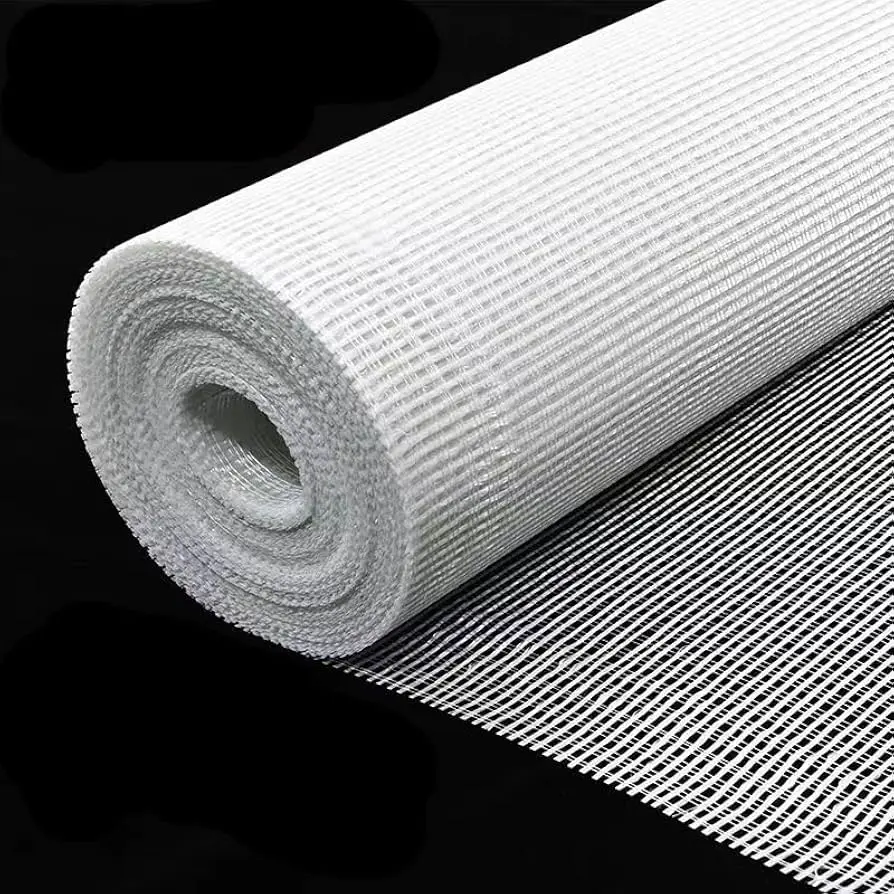
Proper storage helps maintain the condition of fiberglass mesh rolls before they reach customers or are used in construction. For manufacturers, wholesalers, and distributors, suitable storage conditions and careful handling help protect products and keep inventory organized.
Whether you store standard fiberglass mesh, jumbo mesh, or PVC corner mesh, following a few basic practices can help prevent damage and simplify warehouse management.
1. Store in a Dry, Protected Environment
Keep fiberglass mesh rolls in a clean, dry indoor area protected from rain, leaks, standing water, and excessive moisture.
Although fiberglass does not rust like steel, moisture can damage packaging and labels and may affect other product components, depending on the coating and specifications.
For best results:
Store rolls in a dry, well-maintained warehouse.
Keep products away from leaks, flooding, and condensation.
Protect rolls from dust, dirt, and incompatible chemicals.
Follow the manufacturer's storage recommendations.
2. Protect Rolls From Sunlight and Excessive Heat
Prolonged exposure to direct sunlight and excessive heat may affect certain coatings, packaging materials, or other product components.
To reduce the risk of deterioration, store rolls away from windows, outdoor exposure, heaters, and other sources of excessive heat. Keep the original packaging intact until the products are ready for use, where practical.
For extended storage periods, follow the conditions specified in the product's technical documentation.
3. Organize Products by Specification
Organized storage makes it easier to manage inventory, prepare orders, and avoid shipping the wrong products.
Where practical, separate fiberglass mesh rolls according to:
Mesh weight and opening size.
Roll width and length.
Product type and intended application.
Batch identification and customer orders.
Clear labeling helps warehouse staff identify products quickly. For larger inventories, a stock management system can also help track quantities, incoming deliveries, and dispatch dates.
4. Handle Rolls Carefully
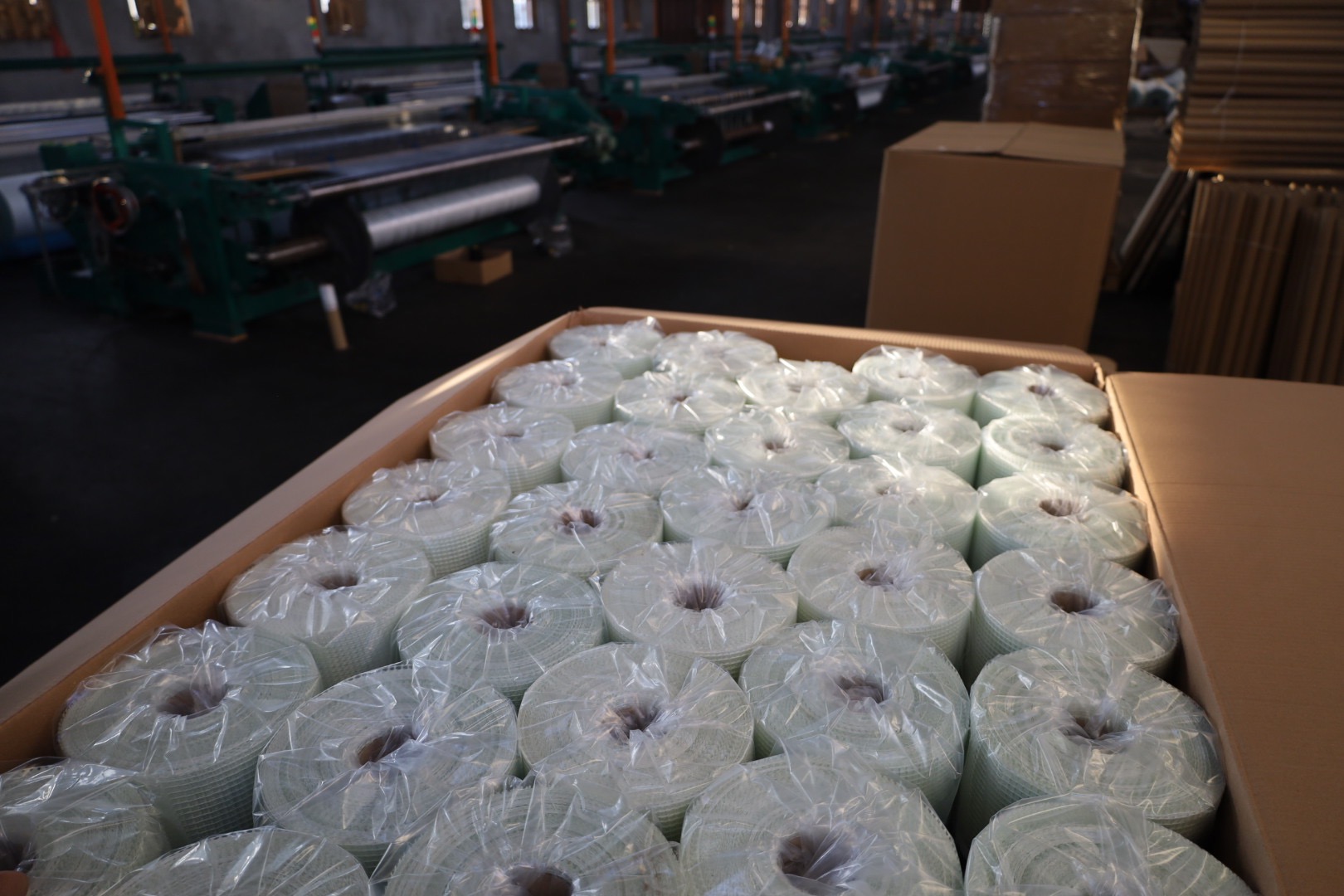
Improper handling during loading, unloading, or warehouse movement can damage mesh rolls and their packaging.
Follow these practices:
Use suitable lifting equipment for palletized products.
Avoid dropping, throwing, or dragging rolls across rough surfaces.
Keep sharp objects and equipment away from the mesh.
Inspect packaging after handling or transportation.
If a roll appears damaged, separate it from undamaged stock until its condition has been assessed.
5. Use Suitable Pallets and Shelving
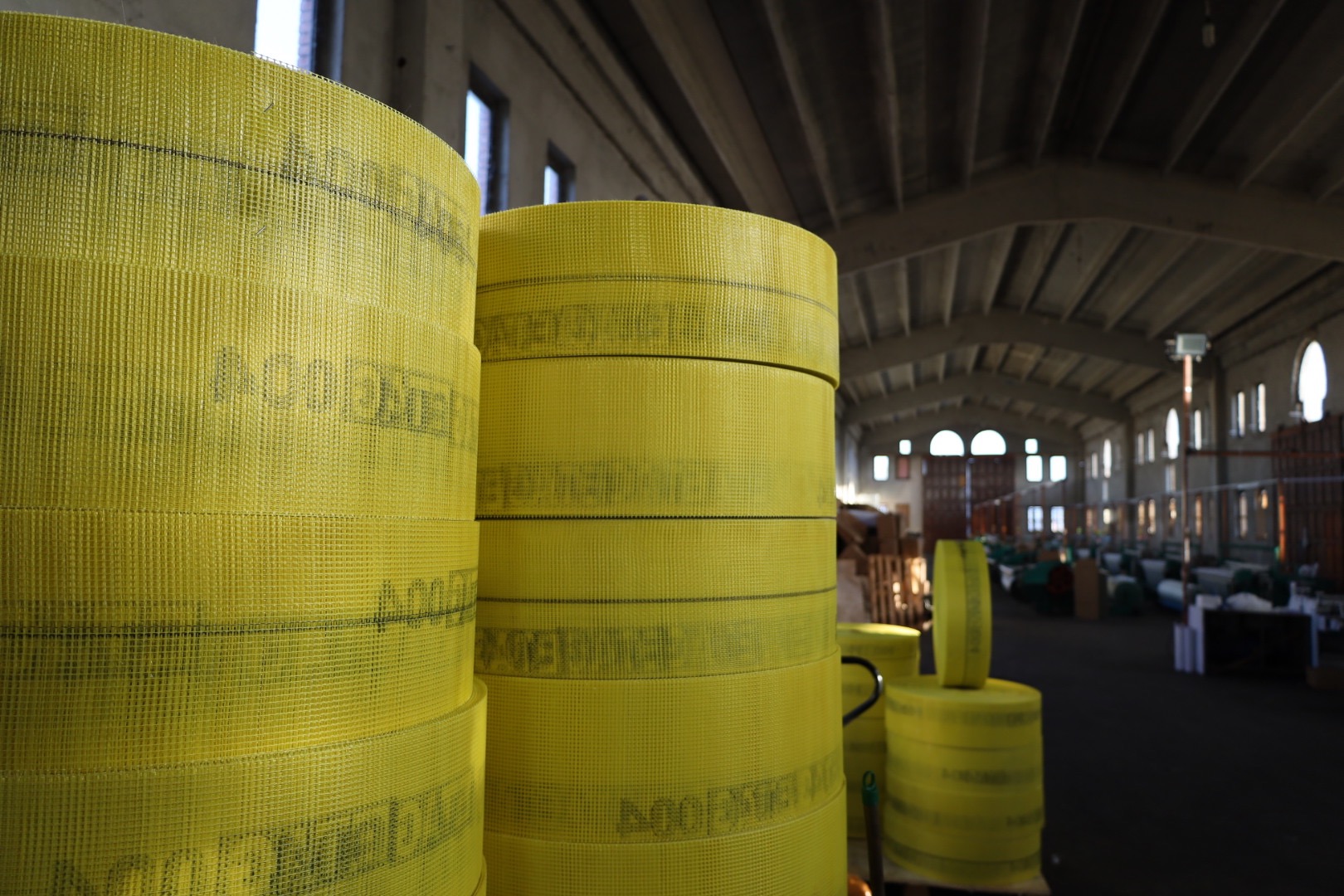
Store rolls on clean, stable pallets or shelving designed to support their weight and packaging. Arrange products to prevent crushing, deformation, or movement during normal warehouse operations.
The correct storage orientation and maximum stacking height depend on the product and its packaging. Always follow the manufacturer's recommendations.
For bulk storage, ensure that pallets are in good condition, loads remain within equipment capacity, and stacked products can be accessed safely.
6. Inspect Products Before Dispatch
Before shipping an order, check that the products match the customer's requirements and are in suitable condition.
A pre-dispatch inspection should include:
Verifying product type and specifications.
Checking packaging for tears, crushing, or moisture damage.
Confirming labels and batch identification where applicable.
Looking for visible contamination or physical damage.
Ensuring products are securely prepared for transportation.
Address any concerns before releasing the order for delivery.
7. Apply First-In, First-Out Inventory Management
A first-in, first-out (FIFO) system helps distributors manage stock rotation by generally dispatching older inventory before newer stock, provided the products remain in suitable condition and meet customer requirements.
Record receiving dates and batch information where available. If a product has a specified shelf life or storage period, follow the manufacturer's instructions rather than relying on FIFO alone.
Fiberglass Mesh Storage Checklist
Before storing or dispatching fiberglass mesh rolls, confirm that:
The warehouse is clean and dry.
Products are protected from rain and direct sunlight.
Rolls are stored securely without excessive stacking.
Packaging and labels remain intact.
Different product specifications are clearly identified.
Products are inspected before dispatch.
Manufacturer-specific storage instructions are followed.
Conclusion
Proper storage, careful handling, and organized inventory management help manufacturers and distributors maintain fiberglass mesh products in suitable condition until delivery.
At NOVATEX, we manufacture fiberglass mesh and PVC corner mesh for distributors and construction-material suppliers. If you are looking for a manufacturing partner, our team can discuss your product specifications and order requirements.
Looking for a fiberglass mesh supplier? Request a quote or become a distributor.